You manage daily tasks using digital tools that help you stay organized and focused.
This guide examines how modern task management software supports planning, tracking, and routine work without adding unnecessary complexity.
ClickUp is introduced gradually as one option that can meet these everyday needs when used simply and practically.
How This Software Fits Into Daily Tasks
You use the software to handle routine responsibilities without extra effort. Below are the main phrases that describe how it supports everyday work.
- Daily task planning – Helps you outline what needs to be done each day
- Progress tracking – Lets you quickly see what is finished and what remains
- Task organization – Keeps related activities grouped and easy to find
- Quick task updates – Allows fast edits when priorities change
- Daily review flow – Supports short check-ins to stay on track
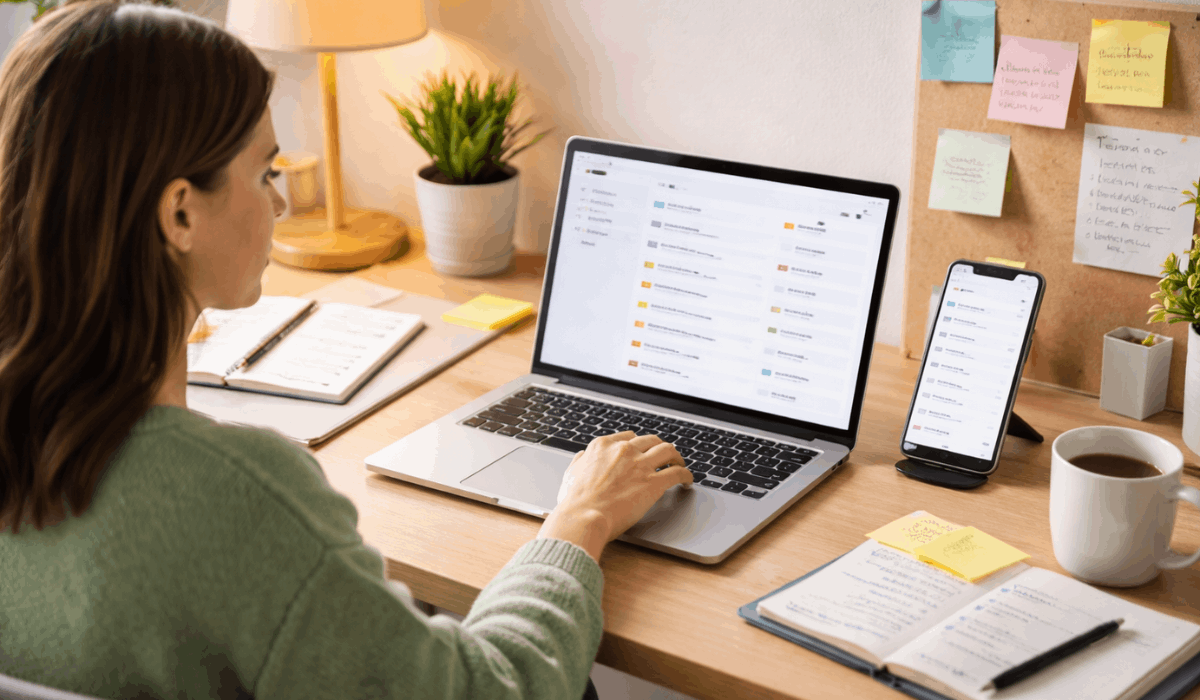
What Types of Daily Work Do These Tools Handle Well
Daily digital work often requires structure without added complexity. This section outlines the types of routine tasks these tools are best suited to handle.
- Personal task management – Handling individual to-do lists and reminders
- Work task tracking – Managing assignments, deadlines, and follow-ups
- Study and learning tasks – Organizing coursework, reading lists, and schedules
- Content and notes organization – Keeping related information easy to access
- Recurring routines – Managing repeated tasks without rebuilding systems
Ease of Use for Everyday, Repeated Actions
Ease of use matters most when the same actions are repeated every day. The points below explain how the tool supports quick, low-effort interactions for routine tasks.
- Fast task creation – Tasks can be added in seconds without extra steps
- Quick status updates – Progress can be changed with minimal clicks
- Clear visual layout – Information stays easy to scan and understand
- Simple navigation flow – Common actions remain easy to find
- Consistent daily interaction – Repeated use feels predictable and manageable
Flexibility Across Personal and Work Scenarios
The tool is designed to support various daily activities with the same setup.
It allows tasks to stay organized across personal responsibilities and work-related needs.
- Personal task organization – Handles daily to-do lists and reminders
- Work-related task tracking – Supports assignments, deadlines, and follow-ups
- Shared and solo use – Works for individual use or small team collaboration
- Simple structure options – Allows light organization without rigid rules
- Gradual scaling – Adapts as needs grow without requiring a new system
Time Investment and Learning Curve
Time commitment stays low when only core features are used, allowing quick adoption and steady daily use without extra setup.
- Fast initial setup – Core functions are available without long configuration
- Easy early learning – Main features are understandable within a short time
- Minimal daily effort – Routine task updates stay quick and simple
- Optional feature depth – More advanced options can be learned gradually
- Stable everyday use – The tool works well without constant adjustments
Building a Simple Daily Routine With the Software
Consistency matters when using a tool every day. A repeatable flow helps tasks stay organized without extra planning.
- Daily task check-in – Review active tasks at the start or end of the day
- Priority setting habit – Mark the most important items before working
- Progress updates – Make small updates as tasks move forward
- End-of-day review – Close completed tasks and note what carries over
- Routine reuse – Follow the same flow each day to avoid re-planning
Managing Notifications Without Distractions
Notifications work best when they stay limited and purposeful. Adjusting alert behavior helps maintain focus while still staying informed.
- Essential alerts only – Keep notifications limited to task updates that matter
- Priority-based notifications – Focus on deadlines and assigned tasks
- Reduced real-time interruptions – Avoid constant pop-ups during work
- Scheduled review habit – Check updates at set times instead of instantly
- Cleaner daily focus – Maintain awareness without ongoing distractions
Using the Software Across Multiple Devices
Daily tasks often move between different screens throughout the day. Using the same tool across devices helps keep work consistent and accessible.
- Desktop use for planning – Manage and organize tasks on a larger screen
- Mobile access for quick updates – Add or update tasks while away from the desk
- Synced task information – Changes stay updated across all devices
- Consistent interface – Navigation remains familiar on each platform
- Flexible daily access – Work continues smoothly regardless of device used
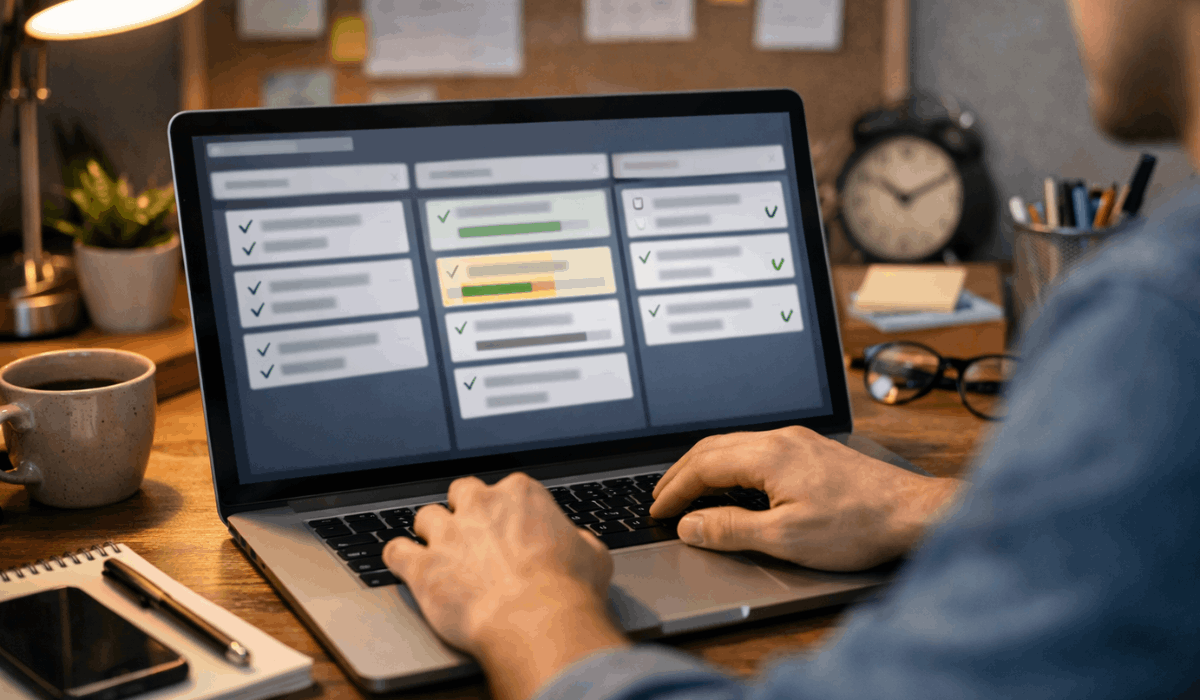
Keeping the Workspace Organized Over Time
An organized workspace makes daily use easier and more sustainable. Simple habits help prevent clutter as tasks and information accumulate.
- Regular task cleanup – Close or archive completed tasks consistently
- Clear naming habits – Use simple, recognizable task titles
- Limited list creation – Avoid creating too many separate lists
- Occasional structure review – Adjust organization only when necessary
- Consistent organization flow – Follow the same structure to avoid confusion
How to Get Started Without Overcomplicating Setup
Starting with ClickUp works best when the focus stays on the basics. Keep the initial setup light so tasks can be added and managed right away.
- Create a single workspace – Keep everything in one place at the beginning
- Set up one basic task list – Focus on current priorities instead of full project structures
- Use default views – Start with the standard list view before customizing
- Add only essential due dates – Apply deadlines only to tasks that truly need them
- Skip advanced features for now – Leave automations, dashboards, and integrations for later stages
Who These Tools Are Best For
Some users benefit more from practical, structured tools than others. The list below highlights the profiles that align best with this type of software.
- Individuals managing daily tasks – People who need a simple structure for personal responsibilities
- Remote and hybrid workers – Users who track work tasks digitally
- Students and learners – Those organizing assignments, deadlines, and study plans
- Small teams – Groups needing light coordination without complex systems
- Users seeking consistency – People who prefer repeatable, easy-to-maintain workflows
When These Tools May Not Be the Right Fit
ClickUp may feel unnecessary for highly specialized workflows, very large organizations, or users who prefer unstructured task management.
- Highly complex workflows – Processes that depend on advanced automation or custom logic
- Large enterprise environments – Teams requiring strict permissions and governance
- Specialized industry tools – Workflows that rely on niche, purpose-built software
- Minimal digital usage – Tasks that do not require ongoing digital tracking
- Users avoiding structured systems – Preferences for unstructured or ad-hoc methods
How This Software Holds Up Over Long-Term Daily Use
Long-term use depends on reliability and ease of maintenance.
Regular interaction stays manageable when the tool supports stable routines without forcing frequent changes.
- Consistent performance – Daily tasks remain predictable and stable
- Routine-friendly use – Supports habits without constant adjustments
- Low maintenance needs – Works without repeated setup or reorganization
- Optional feature growth – New features can be adopted gradually
- Ongoing relevance – Continues to fit daily needs as they evolve
To Wrap Up
ClickUp can support daily task management when used with a simple, consistent approach.
Focusing on core features helps keep work organized without adding unnecessary complexity over time.
Review your daily workflow, try a basic setup, and decide whether ClickUp aligns with how you work each day.