Online work should feel straightforward, but small mistakes create big delays. This online guide gives you a clean routine for everyday tasks.
You will learn a browser flow, a login system, file organization, and PDF handling. Each section uses one tool and simple steps you can repeat weekly.
You will also learn quick checks that prevent wrong uploads and lost files. Start with the first section, then add the next one tomorrow. Soon, your online tasks will feel stable.

Make Your Browser A Calm Workspace With Firefox
Your browser is where most tasks start, so you need a stable setup. Firefox is a clean choice because it keeps tools simple and predictable.
A calm browser setup helps you avoid tab overload and repeat searches. Set your homepage, keep your toolbar visible, and reduce random extensions.
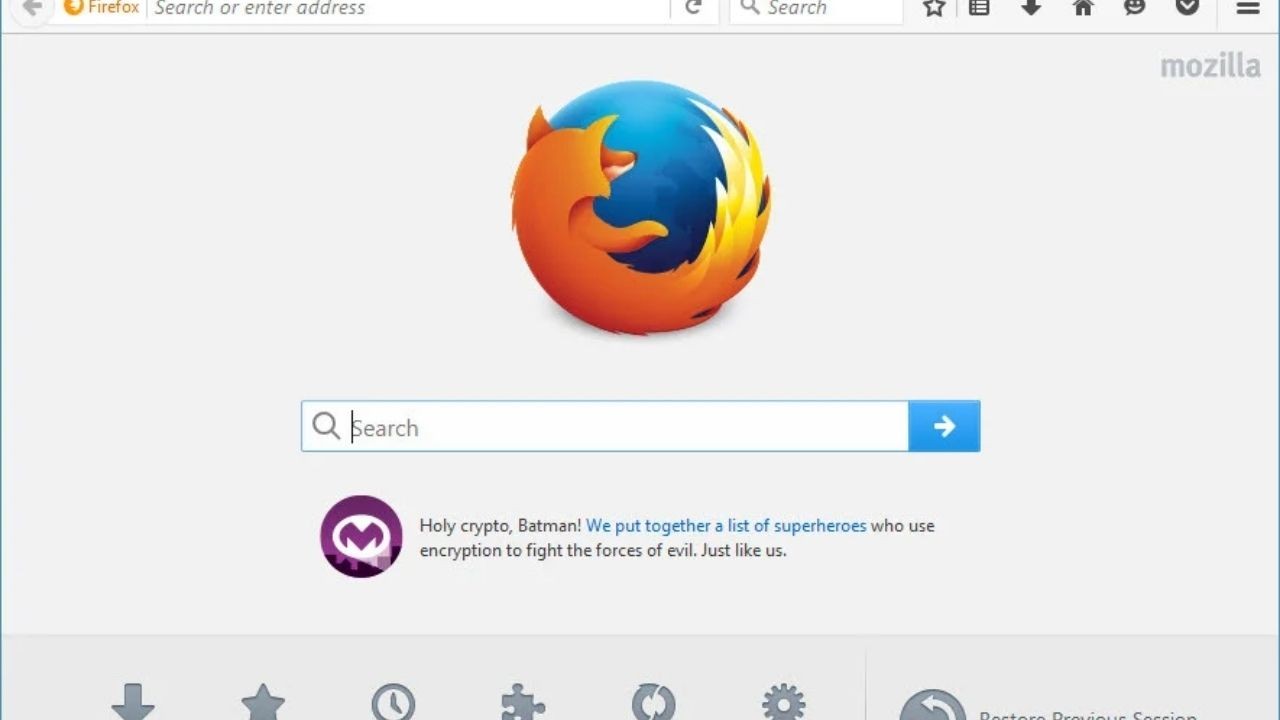
Use one browser for everything so your bookmarks and history stay consistent. When the browser stays organized, the rest of your workflow follows.
Create Two Bookmark Folders For Work And Personal
Open Firefox bookmarks and create two folders called Work and Personal. Put only the pages you use weekly inside those folders. Keep the bookmark bar small, so you do not scroll and second-guess.
Add your email, one document site, and one folder link. Anything else goes inside the folders, not the bar. Review the folders monthly and remove pages you stopped using.
Use A “Finish Today” Tab Habit That Ends Browsing Loops
Before you open new pages, decide what you must finish today. Keep only three tabs open for that task and close the rest. Finish today’s tabs should include one source, one working page, and one reference.
If you need more sources, save them as bookmarks instead of tabs. When you finish, close the tabs to signal completion. This habit stops browsing from turning into endless research.
Control Downloads So Files Do Not Vanish
Go to Firefox settings and choose one download location, like a folder named Incoming. Turn on the prompt that asks where to save if you often download important files. One download location prevents you from hunting across folders later.
Rename files right after saving using a date and a clear label. At the end of the day, move files from Incoming into their proper folders. Delete anything you do not need.
Use History Search To Refine Instead Of Repeating Work
When you cannot remember a page, use Firefox history search first. Type a keyword you recall, then open the exact page you used. History search saves time because you stop re Googling the same question.
If the page is useful, bookmark it in the correct folder immediately. If it is not useful, do not save it at all. This keeps your saved links relevant and easy to trust.
Stop Login Confusion With RoboForm
Login problems are the fastest way to lose time online. RoboForm gives you one place to store passwords and stop repeated resets.

A single password vault keeps accounts consistent across devices and browsers. Start with your email, banking, and any site you use weekly.
Keep your entries labeled so you know what each account is for. When logins become predictable, online tasks become smoother.
Save Every Login The First Time You Create It
When you make a new account, save it in RoboForm immediately. Add the site name and a short note like “billing” or “school portal.” Saving on day one prevents you from guessing later during urgent logins.
If you have old accounts, add them gradually rather than all at once. Update each entry when a password changes so the vault stays accurate. Accuracy is what makes the tool useful.
Generate Strong Passwords Instead Of Reusing Old Ones
Use RoboForm’s password generator to create a new password for each site. Avoid patterns that repeat across accounts, even if they feel convenient. Unique passwords reduce risk when one website has a security problem.
Store the password only in the vault, not in notes or screenshots. If a site forces short passwords, still make it random within the limit. This keeps your accounts safer without extra effort.
Use Autofill Safely By Checking The Website First
Autofill is helpful, but only when you are on the correct website. Check the domain name in the address bar before letting RoboForm fill anything. Domain checks prevent scams that mimic real login pages.
If autofill does not appear, treat it as a warning and stop. Open the site from your bookmark folder instead of clicking random links. This habit protects your accounts with almost no extra time.
Store Recovery Details So You Can Get Back In
Recovery is the step most beginners skip until it is too late. Save backup codes and recovery links inside RoboForm as secure notes. Recovery info is insurance when your phone changes or your email is locked.
Update your recovery email and phone number when they change. If you print backup codes, store them safely at home, not in your wallet. With recovery ready, you avoid panic and delays.
Keep Files Findable Across Devices With Box
File confusion happens when you save in random places and forget the latest version. Box gives you a simple cloud folder that stays accessible across devices.

One organized cloud space reduces lost attachments and wrong uploads. Start small with only the important files you reuse or share.
Build a folder structure that is easy to remember and easy to maintain. When you trust the system, you can expand it slowly.
Use A Three Folder Structure That Stays Simple
In Box, create three folders named Active, Reference, and Archive. Active holds current work, Reference holds templates and reusable docs, and Archive holds completed items. A simple structure keeps saving decisions fast and consistent.
If you are unsure where a file belongs, place it in Active first. Move it later during your weekly cleanup. This prevents delays while you are working.
Name Files With Dates So Sorting Works Automatically
Use a date first file name like 2026 01 15, then add a short label. Keep names consistent so search and sorting stay reliable on mobile. Date-first naming helps you spot the newest file instantly.
If you update something, add a version tag like v2 at the end. Avoid vague names like “final” because they create duplicates. Clear names keep sharing clean and professional.
Use Version History Instead Of Making Random Copies
When you update a document, rely on Box version history instead of creating many copies. Upload the revised file to the same item so the history stays linked. Version history reduces clutter and helps you recover mistakes quickly.
Add a short comment when you upload a major change, like “added signature.” If you must keep separate files, use a version label in the name. This keeps your timeline readable.
Share Links With Clear Permissions And A Simple Message
When you share, use a Box link instead of attaching files repeatedly. Set view only permission unless the person must edit. Clear permissions prevent edits that break your file or change your layout.
In your message, include the file name, what you want, and the deadline. Keep it one or two sentences so it is easy to follow. After you get a response, move the file to Archive.
Handle PDFs Without Breaking Format With PDF24 Tools
PDF problems usually come from messy conversions and unclear final versions. PDF24 Tools gives you a simple workflow for converting, compressing, and combining PDFs.

Stable PDFs reduce rework when you submit forms or share official files. Always decide the goal first, like printing or uploading.
Then run one change at a time and check the result immediately. When you keep a consistent routine, PDF tasks stop feeling risky.
Convert Photos Into A Clean PDF Before Anything Else
If you start with photos, convert them into a PDF first using PDF24 Tools. Arrange pages in the correct order before saving the file. Clean conversion keeps layout consistent across phones, laptops, and printers.
Zoom in to check that the small text is readable. If the text is blurry, retake the photo with better lighting and a steady hand. Save the PDF with a date-based name in your Active folder.
Merge And Compress Without Losing Readability
When you have multiple PDFs, merge them into one file before sending. Use PDF24 Tools to reorder pages and remove blank pages. One merged file is easier for reviewers than multiple attachments.
After merging, compress only if you must meet upload limits. Open the compressed file and scan every page quickly for quality. Keep the original version in the archive in case you need a clearer copy later.
Export A Final Version And Stop Editing It
Once the PDF looks correct, export a final version and treat it as finished. Save it in the Box Reference if you might reuse it, or the Archive if it is complete. A final version rule prevents endless edits and wrong uploads.
If you must change something later, create a new version with a clear label. Do not overwrite links you already shared with someone else. This keeps your process reliable and easy to track.
Conclusion
Online tasks stop feeling messy when you follow a repeatable routine. This is how to do this online without confusion system keeps your browsing, logins, files, and PDFs in order.
Use the same steps weekly, and you will waste less time fixing mistakes. You will feel faster because your process stays calm.