Starting online becomes easier when your device, accounts, files, and sharing habits follow one simple routine. This beginner-friendly digital tutorial explains how to build a clean digital setup without downloading too many tools or creating confusing folders.
It is useful for students, job seekers, remote workers, and anyone who wants to handle documents, passwords, and files with less stress. The goal is to make daily tasks feel organized and safe, not complicated.
Start With a Device Setup You Can Understand
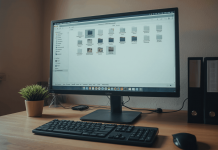
A clean device setup gives you a better starting point for everything else. When your browser, downloads, and bookmarks are organized early, you avoid the digital clutter that makes beginners feel lost later.
Choose One Browser and Learn It Well
Using one main browser helps you build habits faster because your bookmarks, saved logins, downloads, and settings stay in one place.
Chrome, Edge, Brave, and similar browsers can all work well, but switching between several browsers often creates unnecessary confusion.
Set your chosen browser as the default so links open consistently from emails, documents, and apps. This small step makes your daily browsing easier because you always know where things will appear.
Save Only Bookmarks You Actually Need
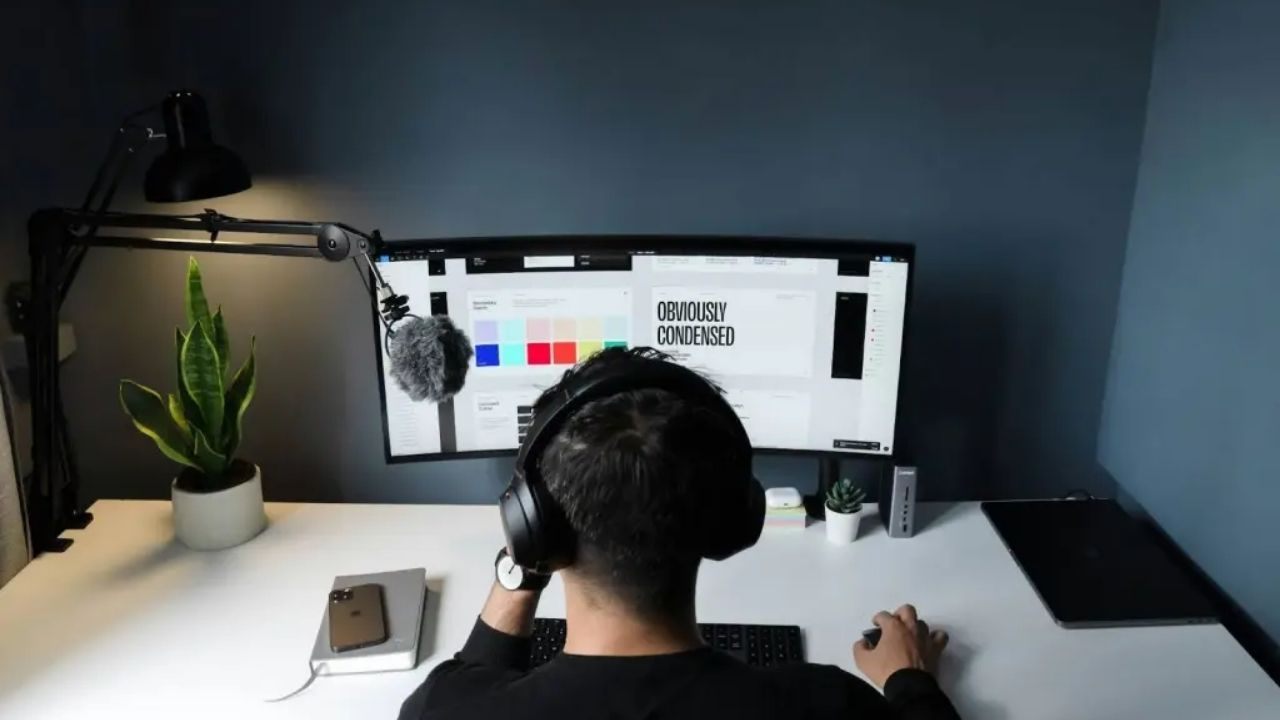
Bookmarks are helpful only when they stay easy to scan. Instead of saving every interesting page, start with a few essentials such as email, cloud storage, school portals, job sites, or learning platforms.
Too many saved links can become another pile of digital mess that you stop using. A short bookmark bar keeps your important websites close without turning your browser into a cluttered dashboard.
Control Downloads Before They Become Hard to Find
Downloads are one of the first places where beginners lose files. A simple folder habit can prevent missing documents, duplicated files, and messy desktops.
Keep Downloads in One Clear Place
Choose one download location and check it regularly. You can use the default Downloads folder or create an “Active Files” folder for anything you still need to review, rename, or send.
The important part is consistency because random saving makes files harder to find later. A clear download habit protects your saved documents and keeps your desktop from becoming a storage area.
Rename Files While You Still Remember Them
A file called “document-final-new” will not help you much three months later. Rename important downloads as soon as you save them, using a date and a short description when possible.
For example, a name like “2026-05-Resume-Draft” is easier to recognize than a vague attachment name. Clear naming improves file search and helps your folders stay useful without constant cleanup.
Build a Safe Login System From the Beginning
Strong account habits matter because email, cloud storage, banking, school tools, and work platforms all depend on logins. A beginner setup should protect access without making every sign-in feel difficult.
Also read: Data Entry Mistakes That Break Reports: A Clean Workflow for Zoho, Sortly, and HubSpot
Use a Password Manager Instead of Reusing Passwords
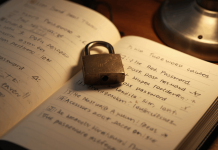
Reusing passwords feels convenient, but it creates a serious risk if one account is exposed. A password manager can store unique passwords, generate stronger ones, and autofill them when needed.
This helps you avoid weak patterns like birthdays, names, or repeated words across different websites. A password manager gives you safer logins without forcing you to memorize every password.
Turn On Two-Step Verification for Key Accounts
Two-step verification adds another check when someone tries to access your account. Start with your main email, cloud storage, social accounts, and any platform connected to work, school, or money.
Keep backup codes in a safe place because they help you recover access if your phone is lost or replaced. This extra layer makes account security stronger without changing your whole routine.
Use this short login check before adding more accounts:
- Use unique passwords.
- Save backup codes.
- Update recovery details.
Create a File System That Stays Easy to Maintain
A file system should help you find things quickly, not force you to manage dozens of folders. Beginners usually do better with fewer categories that cover most daily needs.
Use Three Main Folders
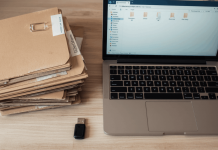
Start with Active, Personal, and Archive. Active holds current school, work, job, or admin files; Personal holds records, IDs, receipts, and important documents; Archive holds finished files you may need later.
This structure is simple enough to remember and flexible enough for most people. A three-folder setup keeps file organization clear without making you click through too many layers.
Keep One Important Folder Synced
Cloud storage can protect essential files if your laptop breaks or your phone gets lost. Instead of syncing everything immediately, choose one “Important” folder for documents you cannot afford to lose.
Test it on your phone and computer to make sure files open correctly before relying on it. Limited syncing keeps cloud storage practical while avoiding confusion from too many duplicate folders.
Handle Documents Without Turning Every Task Into a Problem
Most people eventually need to scan, convert, sign, compress, or send documents. These tasks feel easier when you follow a steady process instead of trying a new tool every time.
Scan Papers With Your Phone Carefully
A phone scanner app can turn receipts, IDs, forms, and paper notes into PDFs. Before saving, check that the text is clear, the edges are not cut off, and the lighting does not hide important details.
Rename the scan right away so it does not disappear under a default file name. This protects important records and makes digital copies easier to retrieve later.
Keep Original Files Before Editing PDFs
PDF tools can merge, compress, sign, or prepare files for sending, but mistakes are easier to fix when you keep the original.
Save one untouched copy before making changes, especially for applications, contracts, school forms, or official documents.
After compressing or editing, open the final file and check that text, signatures, and images still look correct. This careful step prevents format problems before you send something important.
Share Files So Other People Know What to Do
File sharing is not only about sending a link. The recipient should know what the file is, what access they have, and what action is expected.
Set Permissions Before Sending
When you share a folder or document, check whether the recipient can view, comment, or edit. View-only access is safer when you only want someone to read or download a file, while editing access should be limited to people who truly need it.
Always open the sharing settings before sending the link. Clear permissions protect private files and reduce accidental changes.
Add a Short Message With Every File
A file link without context can easily be ignored or misunderstood. Add one short note explaining what the file contains, why you are sending it, and whether you need a reply.
This is useful for job applications, school submissions, client files, and personal documents. A clear message makes file sharing feel more professional and prevents repeated follow-ups.
Conclusion: Keep Your Digital Setup Small and Repeatable
A beginner-friendly digital tutorial works best when the setup is simple enough to repeat every week. Start with one browser, a few useful bookmarks, safe passwords, clear folders, and careful file sharing.
Avoid collecting too many apps before you understand your basic routine. When your digital habits stay small, organized, and secure, everyday online tasks become easier to handle with confidence.