Canva has over 170 million users, and you can tell. Scroll through LinkedIn or Instagram for five minutes, and you will spot the same template used by three different businesses in the same week.
The tool is genuinely powerful. But most guides teach you how to click buttons, not how to make something that actually looks like your brand instead of a generic internet graphic.
I think the standard “just pick a template and swap the text” advice is what keeps small business owners stuck producing content that looks polished but forgettable. There is a better way to use Canva, and it starts before you open a single template.
This guide is for people running a business solo or with a small team who need consistent, professional visuals without hiring a designer or spending hours guessing.
The Setup Step Almost Every Tutorial Skips
Most Canva guides jump straight to creating a design. That is the wrong place to start if you want your content to look cohesive across weeks and months of posts, not just good in one isolated moment.
Lock Down Your Brand Kit Before You Touch a Template
Canva’s Brand Kit feature lets you save your exact brand colors, fonts, and logo in one place. Every design you create after that pulls from the same visual foundation automatically.
Without it, you are picking colors by eye each time. And human eyes are inconsistent.
Your Instagram post from Tuesday will look slightly different from your flyer from Thursday, and that visual drift is exactly what makes a brand feel amateur even when individual pieces look fine.
On Canva Pro, the Brand Kit lives under the left-side panel and takes about ten minutes to set up. Free accounts get limited Brand Kit access, but you can manually note your hex color codes and font names in a pinned design you treat as a reference file.
Why I Disagree With “Just Start With a Template”
My take is that templates are a trap for anyone trying to build recognizable brand visuals. Over 10,000 templates are available on Canva, and the most popular ones get used by thousands of businesses simultaneously.
Starting from a template and swapping in your logo does not make the design yours. It makes it theirs with your name on it.
The better move is to pick a blank canvas, apply your Brand Kit, and then use templates as inspiration for layout rather than as the finished structure. You end up with something that looks intentional rather than borrowed.
How to Actually Build a Design That Looks Professional
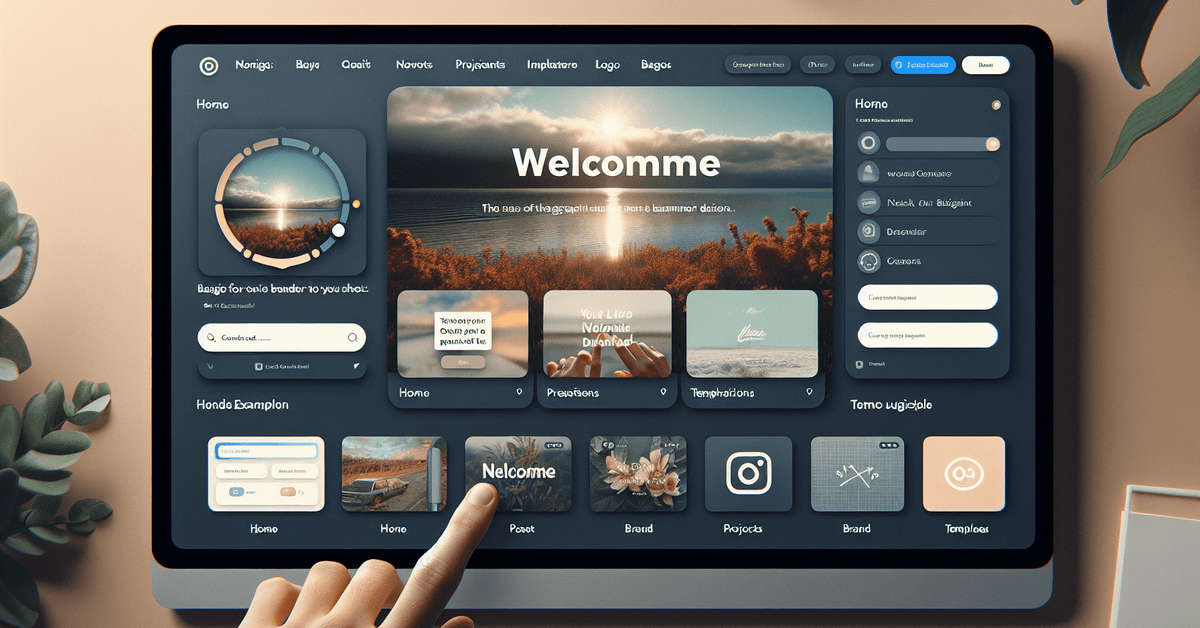
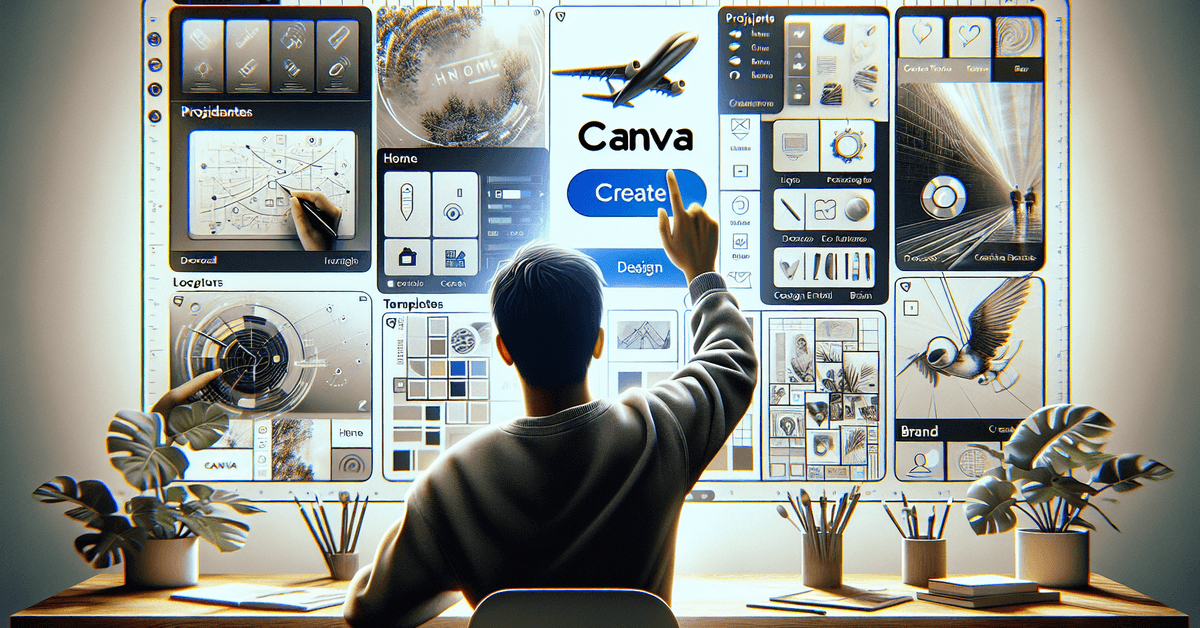
Once your brand foundation is set, the editing workflow is straightforward. The Canva editor opens with a left-side panel for elements, text, uploads, and templates, and a main canvas where everything comes together.
Text: The Mistake Most First-Time Designers Make
New Canva users almost always use too many fonts. Three different typefaces in one graphic is not variety. It is visual noise.
Pick two fonts maximum for any single design: one for headings, one for body or supporting text. Canva’s text panel lets you set these quickly, and if you have set up your Brand Kit, your approved fonts appear at the top of the list automatically.
Font pairing matters more than font choice. A bold sans-serif headline with a lighter serif body text reads as intentional. Two decorative fonts competing for attention reads as unfinished.
Images and Elements: When Free Assets Are Enough and When They Are Not
Canva’s free tier includes a substantial library of photos, icons, and graphic elements. For most social media content, it is genuinely enough.
The Pro tier adds access to premium photos and a background remover that is worth the upgrade if you post product images regularly.
A few things to know about inserting visuals:
- Drag images directly onto the canvas and resize from the corners while holding shift to maintain proportions
- Use Canva’s grid tool to align elements precisely rather than eyeballing placement
- White space is a design choice, not empty space waiting to be filled. Resist the urge to add more elements just because a room exists.
Also read: Stop Downloading Every App: 7 Software Tools That Cover Work and Study
The Export Decision That Trips People Up
Canva offers several export formats, and the right one depends entirely on where the file is going:
| Format | Best For | Avoid When |
|---|---|---|
| PNG | Social media graphics, logos, and transparent backgrounds | Large print jobs |
| JPG | Photos, web banners, smaller file size needed | Anything with transparency |
| PDF (Print) | Flyers, brochures, business cards | Digital-only use |
| PDF (Standard) | Presentations, digital documents | High-resolution print |
| MP4 | Animated posts, video stories | Static content platforms |
One thing most tutorials skip: if you are exporting a logo or graphic that will sit on a colored background, always export as PNG with a transparent background. JPG adds a white fill automatically, which looks wrong on anything that is not a white page.
Canva Free vs. Pro: What the Upgrade Actually Gets You
The free plan is legitimately useful, which is rare for freemium design tools. But there are specific situations where Pro pays for itself quickly.
According to Canva’s official pricing page, Canva Pro costs around $15 per month for one person or $10 per month per person on a team plan. Here is where that spending makes sense and where it does not:
Worth upgrading for:
- You post product photos and need the background remover regularly
- You manage social media scheduling and want to publish directly from Canva
- You need consistent Brand Kit access across multiple team members
- You want access to premium templates that are not saturated in your niche
Free tier is fine for:
- One-off graphics and occasional social media posts
- Presentations and internal documents
- Personal projects with no strict brand requirements
I would not upgrade to Pro on day one. Use the free plan for 30 days first. If you hit the same limitations repeatedly, that is when the upgrade makes financial sense.
The Canva Features Most Users Discover Too Late
Resize and Repurpose in Seconds
Canva Pro includes a Magic Resize tool that takes one design and reformats it instantly for different platforms. An Instagram post becomes a Facebook cover becomes a Pinterest pin in three clicks.
Free users can do this manually by duplicating the design and adjusting canvas dimensions, but it takes longer. If you are creating content for multiple platforms regularly, this feature alone justifies the Pro upgrade for many small businesses.
Version History When You Accidentally Break Something
Canva saves your work automatically and keeps a version history you can roll back to. If you spend an hour refining a design and then accidentally delete a key element, you are not starting from scratch.
Access it through File > Version History in the top menu. Canva keeps history for free accounts for a limited window, while Pro accounts get longer retention.
According to Canva’s help center, you can name specific versions to make recovery easier, which is worth doing before any major design change.
Scheduling Social Posts Without a Third-Party Tool
Canva Pro lets you publish and schedule content directly to Instagram, Facebook, LinkedIn, and other platforms from inside the design interface. For solo operators who want to reduce the number of tools in their workflow, this is a legitimate time-saver.
Quick Fixes for the Problems That Come Up Most
- Image upload fails: Switch browsers or clear your cache. Canva works best on Chrome or Edge.
- Download button does nothing: Check that pop-ups are not blocked in your browser settings. Canva downloads trigger a pop-up window.
- Design runs slowly: Close unused tabs. Canva is browser-based and shares memory with everything else running. Large file designs with many elements need room to breathe.
- Colors look different after export: Your monitor displays in RGB, but PDF print exports render in CMYK. Print a proof on a physical printer before ordering anything in bulk.
Questions People Ask About Using Canva
Q: Can multiple people edit the same Canva design at the same time? Yes, Canva supports real-time collaboration on shared designs. Share the design with editing access, and teammates can work simultaneously, similar to Google Docs. Free accounts can share with up to a few collaborators; Pro teams get broader access controls.
Q: Does Canva own the designs I create on their platform? You retain ownership of the original content you create. Canva’s terms clarify that content you make using their templates and elements belongs to you for the uses their license covers. If you use Pro or premium elements, commercial use rights are included. Always check the license on third-party stock elements if you plan to use designs for client work.
Q: Is Canva actually good enough for print materials or just digital? Canva handles basic print design reasonably well. For business cards, flyers, and simple brochures, it produces print-ready PDFs at 300 DPI. For complex print projects with precise bleed lines and spot colors, professional design software gives you more control.
Q: Can I use Canva designs for client work I charge for? Yes, with conditions. Free elements are generally fine for commercial use. Some premium stock photos have additional licensing requirements. The safest move is to check the element’s license inside Canva before including it in anything you are paid to produce.
Q: What is the fastest way to make Canva designs look less generic? Replace any stock photo that appears in a popular template with your own image or a less-used alternative. Customize colors to your exact brand hex codes rather than the template defaults. Those two changes alone separate your output from the thousands of people who downloaded the same template and changed nothing.
Conclusion
Canva’s ceiling is much higher than most users ever reach because the tool is easy to start, but rewards the people who set it up intentionally.
Lock in your brand kit first, treat templates as layout references rather than finished designs, and learn the export formats before you need them under deadline pressure.
The gap between content that looks like everyone else and content that looks like a real brand is almost never about skill. It is about setup, and setup takes an afternoon.