Online tools can solve small file problems without installing heavy software. This digital file toolkit guide explains how services such as ILovePDF, TinyPNG, and CloudConvert can help with PDF edits, image compression, and format conversion in everyday work.
It is useful for students, freelancers, website owners, office workers, and anyone who handles documents or images often.
The goal is to choose the right browser tool for a specific task, use it carefully, and avoid turning quick fixes into privacy or file-management problems.
Start With the File Problem, Not the Tool
A browser tool should be chosen after you know what is wrong with the file. Maybe a PDF is too large to email, an image slows down a webpage, or a video will not open on the platform you need. A clear file problem keeps the choice practical.
If you start by browsing tool lists, you may waste time testing features that have nothing to do with the actual issue.
Think About the Output You Need
Before uploading anything, decide what the final file should become. A document may need to stay editable, a photo may need smaller storage size, or a video may need a platform-friendly format.
This final output check prevents rushed conversions that damage quality or create the wrong file type. It also helps you decide whether the task is safe for an online tool or better handled offline.
Use PDF Tools for Everyday Document Fixes
PDF tools are useful when a document needs a quick adjustment but not a full redesign.
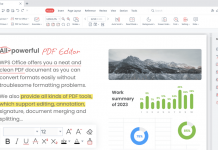
ILovePDF, for example, is commonly used for merging files, splitting pages, compressing documents, adding page numbers, and converting between PDF and common office formats.
A practical PDF workflow is helpful for forms, class materials, printable documents, contracts, and reports. The key is knowing whether you need to edit, compress, combine, or convert before uploading.
Keep Sensitive Documents Away From Casual Uploads
Not every PDF should go through a browser utility. Tax records, private IDs, signed agreements, medical forms, client files, and internal business documents need more caution.
A careful document privacy habit means checking the tool’s official site, upload rules, retention policy, and account settings before using it. If the file contains confidential information, an offline editor or approved company tool may be safer than a free web utility.
Compress Images Before They Slow Things Down
Large image files can make websites, emails, portfolios, and online forms harder to use. TinyPNG helps reduce PNG and JPG file sizes while keeping images usable for common digital tasks.
A smart image compression routine is useful for bloggers, students, designers, online sellers, and anyone sending visuals through email or chat. Smaller files can upload faster, take less storage, and load more smoothly on mobile connections.
Check Quality Before Replacing Originals
Compression should not be treated as a blind step. Open the compressed image and compare it with the original before replacing anything.
This quality check matters for product photos, portfolio images, banners, resumes, and graphics with small text.
If the file looks blurry, colors shift, or details disappear, keep the original and try different settings or another format. Store originals separately so you can recover them later.
Also Read: Useful Online Tools for Everyday Use
Convert Formats When Compatibility Blocks Work
File conversion is useful when the right content exists but the format does not fit the task. CloudConvert can help convert documents, images, audio, video, and spreadsheets into formats that other platforms can read.
A practical format conversion step may turn a MOV video into MP4, a Word file into PDF, or an audio file into a more usable format. Conversion is not about changing files randomly; it is about making them work where they need to be used.
Batch Conversions Need Extra Care
Converting many files at once can save time, but it also increases the chance of missed errors. A single wrong setting may affect every file in the batch.
This batch conversion caution matters when changing image sizes, video quality, audio bitrate, or document formats.
Test one file first, open the result, and confirm that names, layout, resolution, and file size still make sense. Then process the rest with the same settings.
Keep a Small Set of Trusted Utilities
It is tempting to bookmark every tool that promises faster work, but too many utilities create confusion. A cleaner setup might include one PDF tool, one image compressor, one converter, and one backup option.
This trusted toolkit keeps your routine predictable. It also reduces the number of websites that handle your files. If a tool becomes slow, unclear, or full of aggressive ads, replace it instead of forcing it into your workflow.
Bookmark Tools by Job, Not by Popularity
A useful bookmark folder should be organized around tasks. Save PDF editing, image compression, file conversion, and text cleanup tools in separate spots so you can find them quickly.
This tool organization habit helps when deadlines are tight and you do not want to search from memory. Rename bookmarks clearly, remove duplicates, and keep only tools you have actually tested. A simple folder can save more time than a long list of unfamiliar sites.
Name Downloads Before They Become Clutter
Browser tools often create several versions of the same file. A clear file naming habit prevents confusion after merging, compressing, or converting. Add the project name, date, or purpose to the download instead of keeping vague names like final, edited, or converted.
This matters when you send files to teachers, clients, teammates, or online forms. Delete failed versions quickly so you do not attach the wrong file later.
Store Finished Files Where You Can Find Them
After downloading the final version, move it out of the downloads folder. Put it in the right project, class, client, or personal folder while the task is still fresh.
This file storage step keeps your device cleaner and makes later revisions easier. It also helps you compare originals and edited copies without guessing which one was used.
Make Quick File Tasks Safer and Cleaner
Online tools for simple digital needs are most helpful when they stay part of a careful routine. Choose the tool based on the file problem, check the output before replacing originals, avoid uploading sensitive material casually, and keep trusted utilities organized.
A steady digital workflow makes PDF edits, image compression, and file conversion feel less stressful without depending on complicated software.
Use browser tools for light, everyday tasks, but slow down when a file contains private information or must meet professional quality standards. This small pause often keeps simple work from becoming messy again later too.