Most people want simpler tech for daily tasks. This guide to useful online tools points you to the basics. If you are new, too many apps can feel overwhelming. A small toolkit can help you write, organize, and share.
You will learn how to choose tools based on real needs. You will also learn safety habits for passwords and files. Each section keeps the language simple and practical. Start with one tool per job and build confidence.
How to Choose Useful Online Tools Without Getting Overwhelmed
Choosing online tools is easier when you start with one clear task. Pick tools that solve a weekly problem, not a rare emergency.
Look for clean menus, clear help pages, and simple sharing options. Prefer tools that sync across phone and laptop without extra steps.
Limit yourself to one tool per job until it feels natural. This reduces confusion and helps you build steady digital habits.

Safety Basics: Privacy, Permissions, and Trusted Sources
Safety starts with knowing what a tool can access and store. Before you sign up, read the permissions and privacy settings. Choose services with clear security pages and predictable account recovery. Look for options like two-factor login and alerts.
Download only from official stores or the company website. Avoid tools that demand sensitive data that is not required. When safety feels solid, you can focus on your work calmly.
Your Simple Test: Ease, Speed, and Repeat Use
Use a quick test before you commit to any new tool. Time is one basic task, like converting a file or saving a note. Check if you can find key buttons without watching a long tutorial.
Make sure the tool autosaves and lets you undo mistakes easily. Open it again the next day and see if it still feels simple. If it feels clear twice, it is likely a good fit.
Tools for Writing and Documents
Writing and document tools should reduce effort, not add pressure. Start with one document app, so your work stays backed up.

Choose tools that export to common formats and share with one link. Keep your workflow simple: draft, review, and finalize in the same place.
When a file type blocks you, use a converter instead of guessing. With a few reliable tools, documents stop feeling like a tech puzzle.
Writing and Grammar Helpers
Writing helpers can improve clarity by catching typos and confusing phrasing. They work best when you treat suggestions as options, not commands. Use a grammar checker to spot patterns, like repeated words or long sentences.
Read changes out loud to confirm they still match your meaning. Keep your voice natural, especially in emails and school writing. Over time, editing feels calmer because you know what to look for.
PDF Tools for Editing, Merging, and Converting
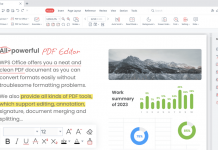
PDF tools matter because many forms arrive in a locked format. A good PDF tool lets you merge pages, compress size, and convert files. Look for previews so you can confirm changes before you save.
Choose simple features first, like fillable text, signing, and reordering. Be careful with sensitive documents and avoid unknown upload sites. With the right tool, PDFs become routine instead of frustrating.
Tools for Organizing Work and Personal Life
Organization tools reduce stress by keeping tasks and files visible. When everything stays in your head, you forget details and lose focus.
Start with a notes tool for quick capture and a task list for next steps. Pair that with cloud storage so files are always reachable.
Keep the system light so you can use it on busy days. A simple setup done consistently beats a complex system you avoid.
Notes, Checklists, and Quick Capture
A notes tool is useful when it captures ideas in seconds. Choose one that syncs across devices and supports search and folders. Use one inbox note for quick thoughts, then review it daily.
Turn key items into short checklists with clear action words. Keep each list small so it feels doable, not punishing. This habit clears mental clutter and improves follow-through throughout the week.
Calendars, Scheduling, and Reminder Tools
A calendar tool protects your time and reduces last-minute stress. Use it for appointments, deadlines, and small personal reminders. Add buffer time and travel time so your day does not feel like a sprint.
Set repeating reminders for habits, like a walk or medication. Review tomorrow’s schedule in the evening to reduce morning panic. When your calendar is steady, your mind spends less energy worrying.
File Storage and Folder Systems That Stay Clean
Cloud storage prevents lost files and makes sharing much easier. Pick one main service and learn its folder and sharing system. Create a simple structure by topic, such as School, Work, and Personal.
Name files with dates and clear titles so search works well. Avoid duplicates by saving to one place, then sharing from there. A clean file system saves time and reduces digital anxiety.
Tools for Communication, Collaboration, and Sharing
Communication tools help most when they make sharing and coordination simple. For beginners, the goal is clear calls, clear messages, and fewer missed files.

Choose tools that run well on slow connections and offer easy join links. Learn a few basics, like mute, chat, and sharing a single window.
Keep notifications under control so your attention stays calm. With the right setup, collaboration feels supportive instead of stressful.
Video Meetings and Screen Sharing Basics
Video meeting tools work better when you prepare small details for school or work. Test your camera and microphone early before each critical call. Use headphones to reduce echo and improve clarity for everyone.
Keep your background simple and your lighting soft and even. Share one window instead of your whole screen to protect privacy. These basics make meetings smoother and reduce communication fatigue over time.
Simple Ways to Send Large Files Securely
Large files often fail in email, so link-sharing tools help. Choose services that let you set expiration dates or access controls. Double-check the recipient and permissions before you send the link.
For sensitive files, avoid public links and use secure sharing options. Keep a simple Shared folder so you can track what you sent. This prevents confusion later and protects your work from mistakes.
Tools for Troubleshooting and Digital Safety
Digital safety tools reduce worry because they protect your accounts and files. Troubleshooting tools help you solve small issues before they feel overwhelming.

Start with password management, basic updates, and a simple backup plan. Learn a few checks, like storage space, browser updates, and suspicious link habits.
These basics prevent many common problems without technical knowledge. When your setup is safer, you can explore new tools with more confidence.
Password Managers and Safer Logins
Password managers create strong passwords and store them in one place. They reduce the risk of reusing the same password across many sites. Choose one trusted manager and enable two-factor authentication where possible.
Save recovery codes in a secure location you can access later. Use the manager daily, so it becomes your default, not a backup. Stronger logins mean fewer lockouts and less background stress.
Basic Security Checks and Scam Awareness
Scams often use urgency to push you into quick clicks and quick payments. Slow down when a message demands action, especially about accounts or money. Check the sender address and avoid shortened links you cannot verify.
Keep your device and browser updated because updates patch security holes. If a site looks strange, open it by typing the address yourself. Calm caution protects you better than fear or panic.
Backup Tools and Recovery Habits
Backups protect you from accidents, lost devices, and corrupted files. Use cloud sync for daily documents and photos you want available anywhere. If possible, add an external backup for your most important memories.
Set a weekly reminder to confirm files are syncing and still readable. Keep key documents in one folder so backup stays simple. A steady backup habit turns digital mistakes into small problems, not crises.
Conclusion
The best online tools are the ones you use calmly. Start with one document tool, one organizer, and one sharing option for school or work. Add a PDF helper only if you handle forms weekly.
Protect accounts with a password manager, updates, and careful link habits. Back up files so accidents stay manageable. A simple toolkit keeps digital tasks clear every day without feeling overwhelmed.